Explore conservation projects supported by the BC Conservation Fund, from Indigenous-led area-based conservation initiatives to biodiversity identification efforts that help protect nature across British Columbia. Browse projects below or explore the interactive map to learn more.
These Indigenous-led projects aim to protect ecologically and biologically important areas. Projects are assessed using the following criteria:
• Contribution to 30x30 targets (applicable for phase 1-3 projects)
• Biological, climate and cultural importance (applicable for phase 1-3 projects)
• First Nations leadership (applicable for phase 1-3 projects)
• Supported by government to government planning and agreement (applicable for phase 2 projects)
• Durable, long-term stewardship (applicable for phase 3 projects)
This phase focuses on building community readiness: engaging members, gathering baseline data, and developing a shared vision for conserving priority areas. It lays the groundwork for Nations to enter government‑to‑government planning with clear mandates, partnerships, and identified capacity needs.

2 years
Thompson‑Nicola Conservation Collaborative (TNCC), working with participating Secwépemc Nations and regional partners, is advancing a landscape‑scale effort to strengthen ecological connectivity across the Thompson–Okanagan. First Nations and partners have identified critical ecological corridors grounded in Indigenous Knowledge and ecological science. These corridors link major parks, protected areas, and other conservation lands with valley‑bottom riparian systems, grasslands, and upland/plateau connections—habitats that support wide‑ranging wildlife and many Species at Risk. They also comprise areas under the greatest pressure from highways, rail lines, development, and other cumulative land uses, where connectivity is most threatened. This project now focuses on the essential next step: developing clear, coordinated, and actionable plans to protect, steward, and restore key ecological corridors over the long term.
1 Year
The Kwakiutl Band Council is undertaking a community-led project to develop an Old-Growth Values and Stewardship Framework that guides the long-term stewardship and conservation of culturally and ecologically important forests within Kwakiutl territory. Through engagement with Elders, Knowledge Keepers, and community members, the project will identify priority old-growth forests, cultural cedar areas, salmon-bearing watersheds, wildlife habitat, and connected forest landscapes requiring future stewardship attention. The intended outcome is a clear, community-informed direction for future conservation and stewardship actions that support biodiversity, ecological function, cultural continuity, and long-term responsibilities to the land under Kwakiutl law (pasa) and A̱winak̓ola, our living relationship with the land, sea, heavens, and supernatural realms.
2 years
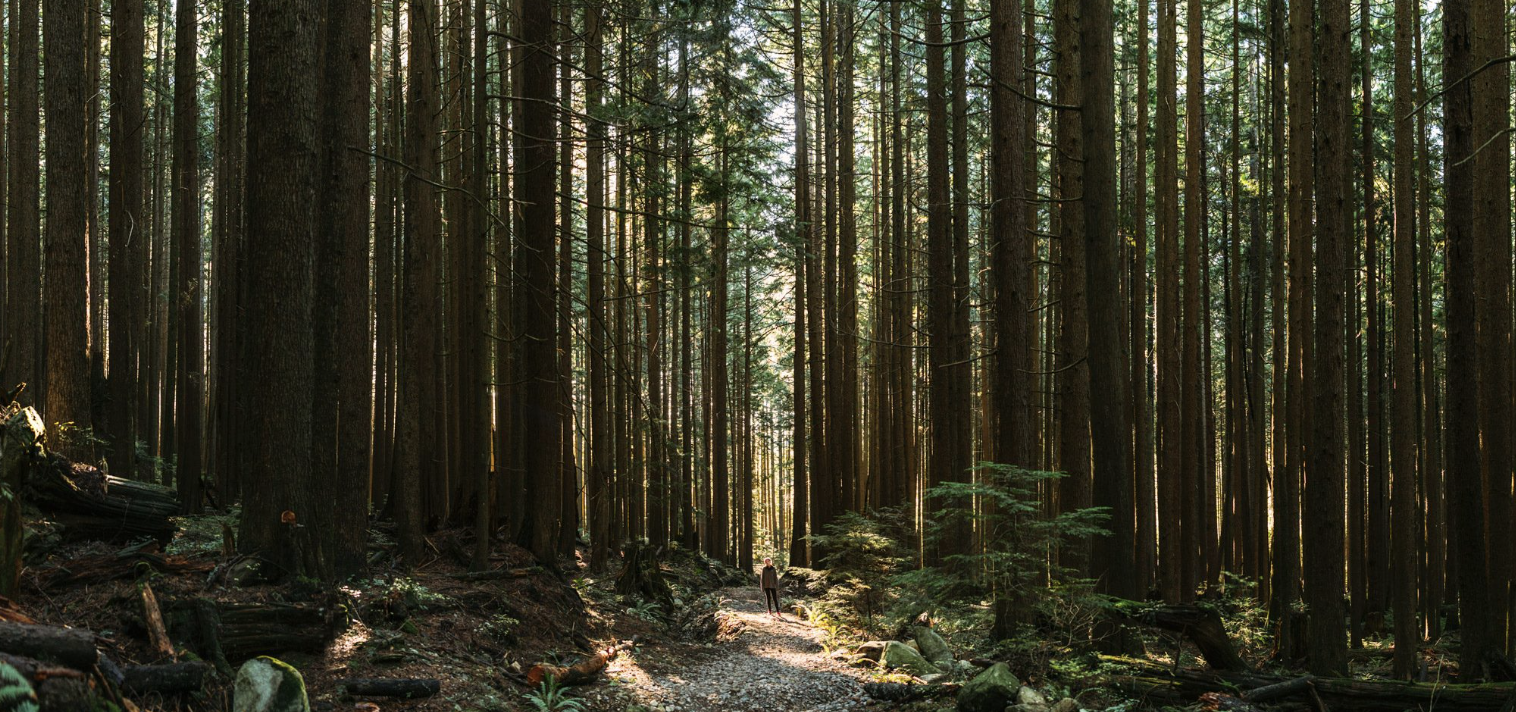
St̓alhálam (Grizzly Bear) is a culturally significant species to N'Quatqua and St’át’imc people; this proposed inititaive aims to secure and steward for important areas including corridors for connectivity between their core habitats. For N’Quatqua, protecting St̓alhálam and their habitats also means safeguarding shared food and medicine resources, and all species that share the lands. Honouring and respecting St̓alhálam honours our Nt'akmenlhkalha Iti tmicwa. This initative represents a commitment to the stewardship and protection of biodiversity in these lands and waters and the many rare and at-risk species found within them, including moose, spotted owls, bull trout.
1 year
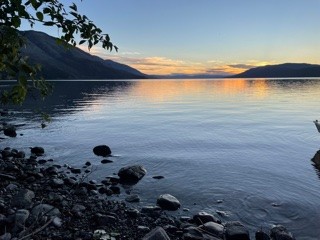
The Wet’suwet’en Upper Widzin Kwa Protected Area is being established to proactively safeguard emerging and existing critical salmon habitats within Wet’suwet’en traditional territory. This initiative recognizes the dynamic nature of salmon ecosystems under climate change and aims to secure the ecological and cultural integrity of these lands and waters for present and future generations.
1 year
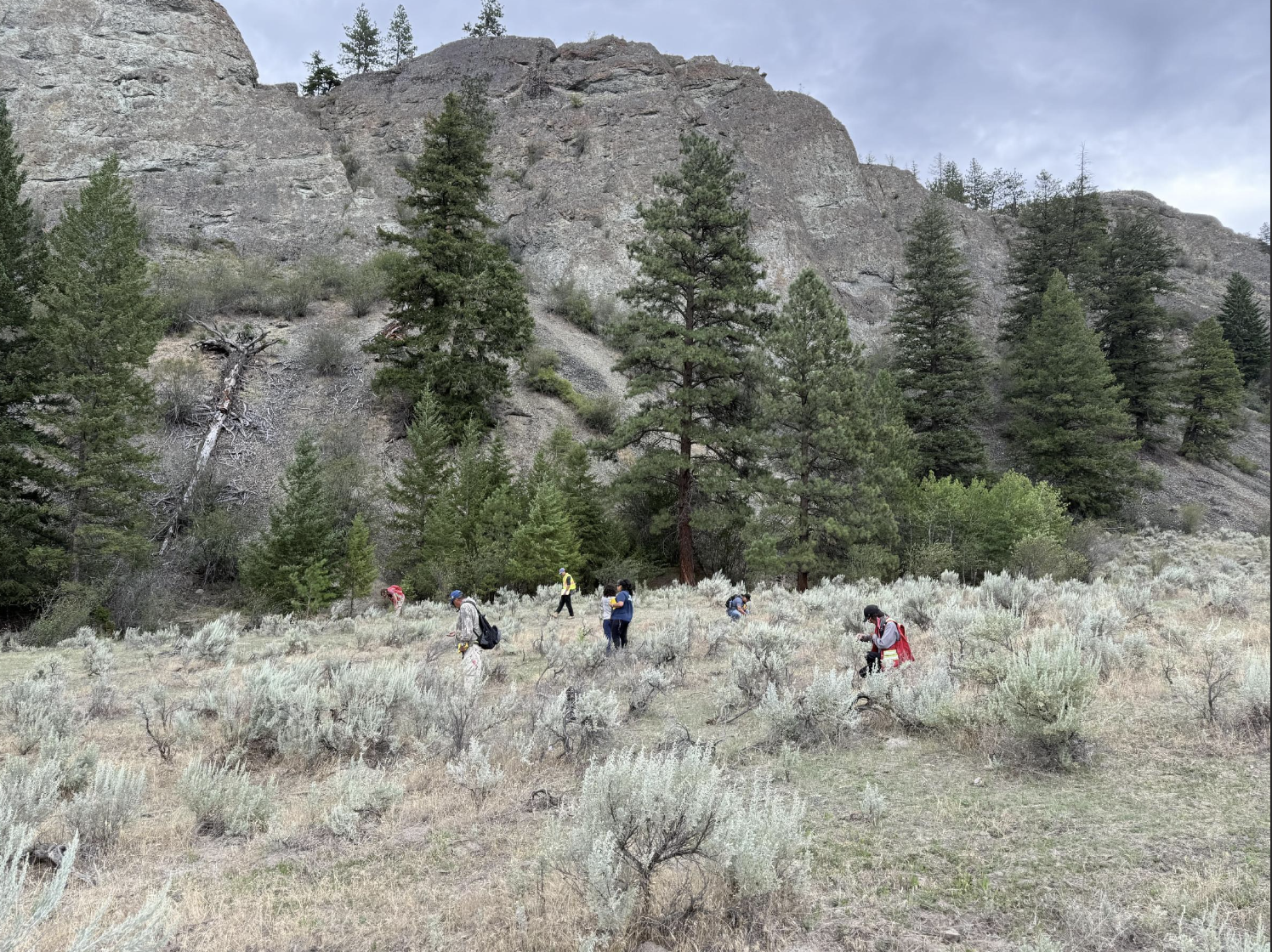
snpink’tn, a member community of the syilx Okanagan Nation, seeks to establish an Indigenous Protected and Conserved Area (IPCA) to formalize protection of the intact Shingle Creek watershed. This area provides crucial habitat and connectivity for species at risk and culturally significant species, including mule deer, American badger, black bear, bighorn sheep, and western rattlesnake. This project will uphold Indigenous self-determination, protect biodiversity and cultural landscapes, and secure a long-term vision of caretakership that sustains ecosystem health, water security, cultural practices, and community well-being for generations to come.

2 years
The Gitxsan Lax Yip Management Office (GLMO) guided by Gitxsan Ayookw (law) and Simgigyat (Hereditary Chiefs) is leading efforts to develop community-based direction and technical information to guide conservation area planning and designation in the Babine and Upper Skeena watersheds. The initiative seeks to strengthen Indigenous sovereignty and conserve vital ecological and cultural resources, providing climate resilience and a sustainable Lax Yip (traditional territory) for present and future generations.

2 years
The Nak’azdli Whut’en is developing a Wildlife Population and Land Use Plan to enhance protection for wildlife and vital habitat across their 25,820 km2 territory. The plan is built upon existing stewardship targets and uses traditional family-controlled keyoh areas as spatial units. Integrating Indigenous knowledge and western science, this roadmap will guide long-term conservation, restoration, and monitoring efforts for the health of their territory

1 year
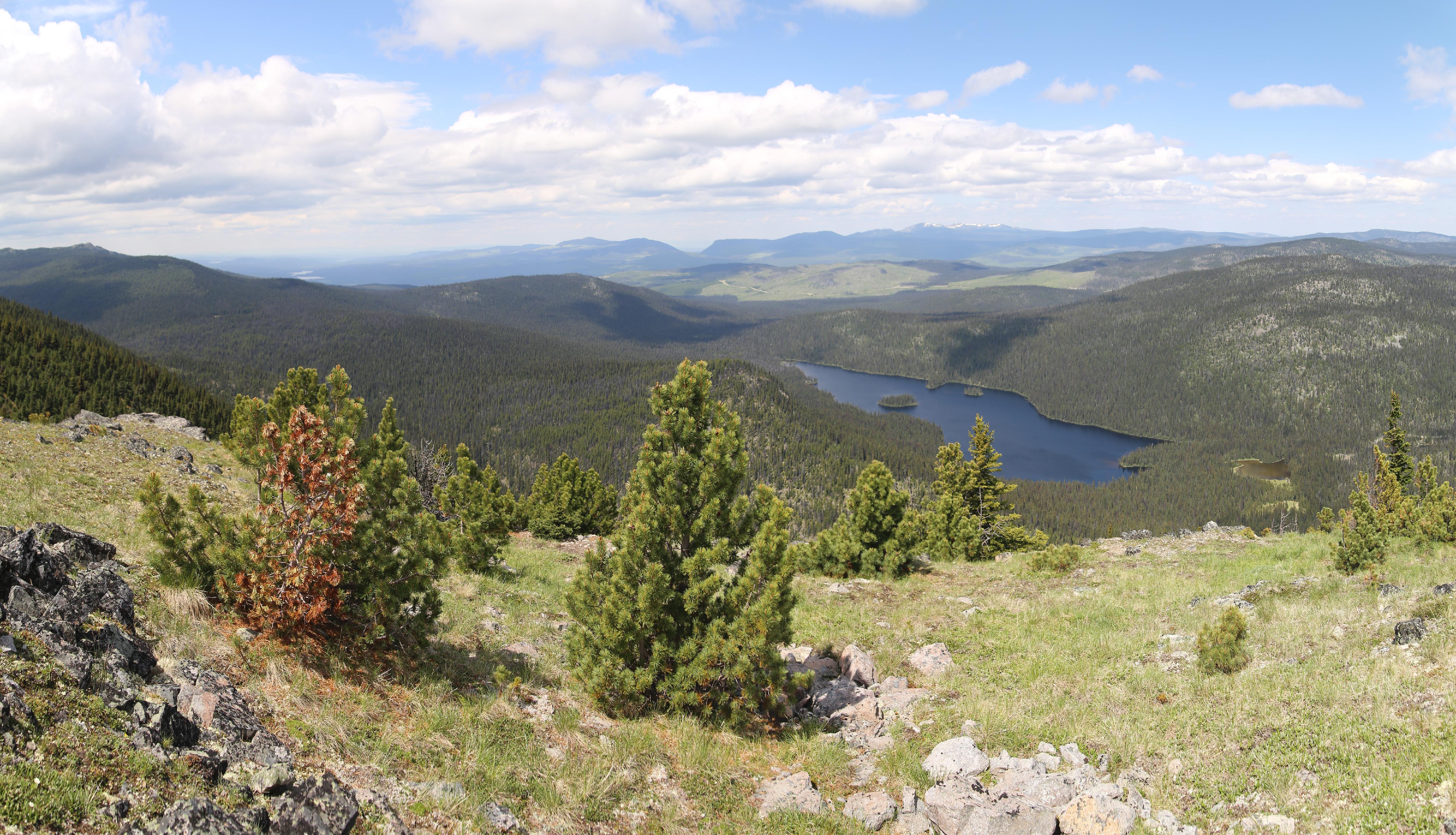
This conservation initiative focuses on the North Cascades Grizzly Bear Population Unit, in which there are fewer than 10 bears remaining. It is envisioned as a large-scale strategy spanning 250,000 hectares, which encompasses and is complimentary to the existing protected areas of E.C. Manning Provincial Park, Skagit Provincial Park and S⨱ótsaqel/Chilliwack Lake Provincial Park. Lead by the Okanagan Nation Alliance (an alliance of eight communities that make up the Syilx Okanagan peoples) in collaboration with Nlaka’pamux and Stó:lō First Nations communities, this project demonstrates how Indigenous knowledge can be meaningfully incorporated into wildlife management to improve conservation outcomes.
2 years
This proposed conservation area aims to secure a critical caribou movement corridor linking several provincial parks, supporting the survival of species at risk such as caribou, grizzly bear, and fisher. The region includes expansive wetland and lake complexes of exceptional ecological value and hosts rich biodiversity within riparian forests, mature woodlands, and mountainous terrain. The area is also home to the ancient Nuxalk Carrier Grease Trail—a First Nations trading route with archaeological sites that reflect millennia of cultural and historical presence.

2 years
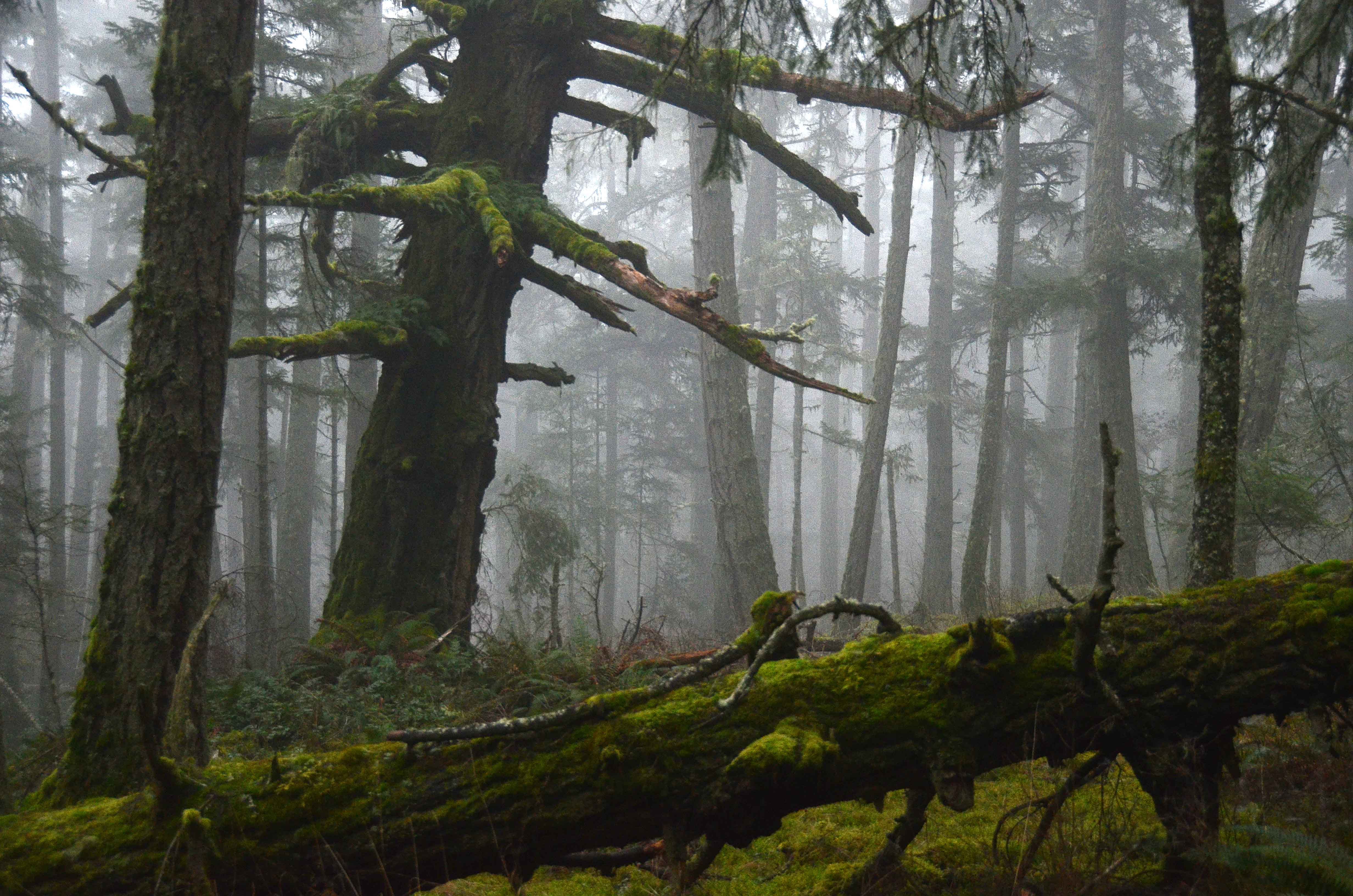
Following the devastating Donnie Creek Fire of 2023-24, Prophet River First Nations (PRFN) is undertaking a critical multi-step process to secure and preserve culturally significant areas. This work involves overlaying fire severity maps with Elders' knowledge to identify intact refugia and sites for rehabilitation. The goal is to prevent future industrial disturbance and ensure the preservation of these areas, supporting the Nation's commitments under the Tripartite Nature Conservation Framework. The project area is a number of smaller (50-100 ha) areas that are a priority from a refugia and community accessibility perspective.
1 year
Located at Mary Hill, on the traditional territory of the SC’IA⁄NEW First Nation at the southern tip of Vancouver Island, this proposed protected area offers a rare opportunity for conservation within this urban landscape. As part of the Southwest Priority Place, it is recognized for high biodiversity and contains critical habitat for nine at-risk species and ecological communities. Mary Hill also serves as a key wildlife corridor, linking habitats between Race Rocks, Sooke Basin, and Saanich Inlet, areas increasingly threatened by residential and commercial development. SC’IA⁄NEW Tribal Park will be the reclamation and revitalization of a site deeply intertwined with SC’IA⁄NEW First Nation's history, culture, and identity.
2.5 years
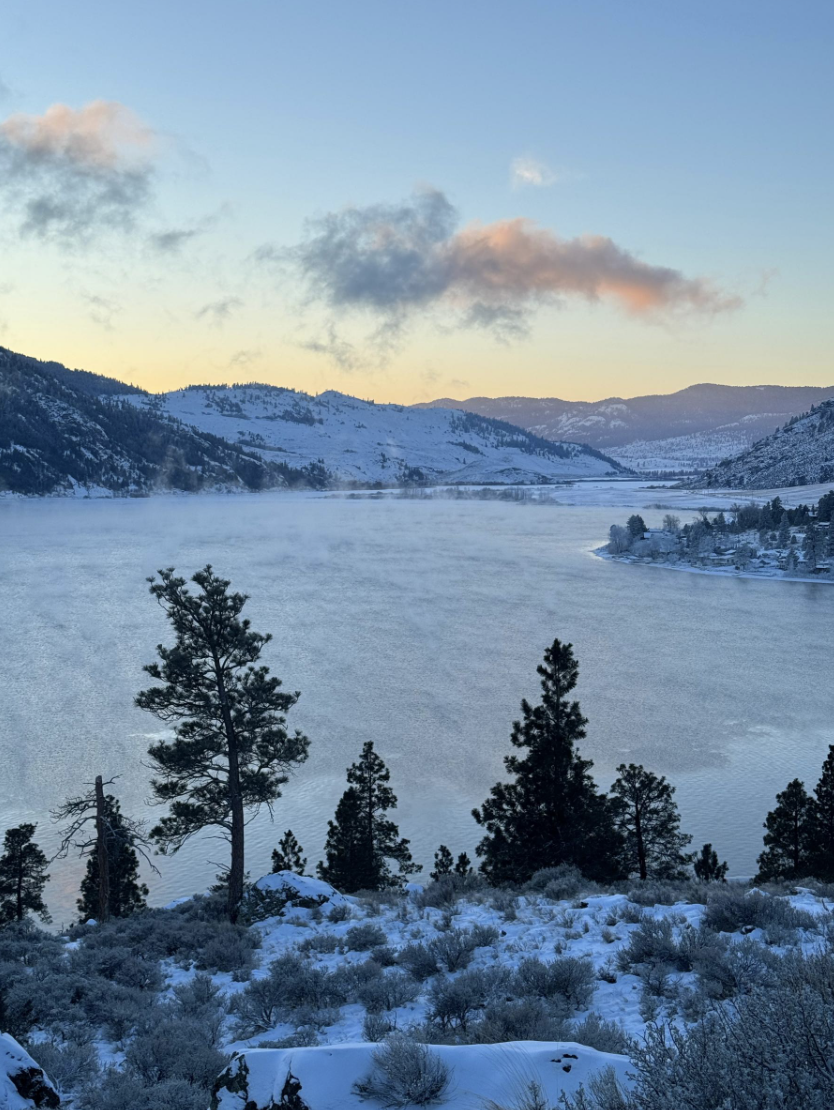
Led by the Lower Nicola Indian Band, this IPCA project seeks to re-establish Nłeʔkepmx stewardship and governance over several priority places within Nłeʔkepmx traditional territory. Only 4% of the Thompson-Okanagan ecoregion is currently protected, even though the grasslands of the Thompson watershed support the greatest number of species at risk in British Columbia - 83 - and provide refuge for more than 200 migratory bird species. Protecting the biodiversity of the tmíxʷ requires a comprehensive, regional approach to conservation that prioritizes the protection of salmon habitat and targets underrepresented landscape types and the species that rely upon them.

2 years
Located in the Great Bear Rainforest, this project seeks to identify priority areas for protection as Indigenous Protected Areas (IPAs) from a the Gwawaenuk Traditional Territorial area totally approximately 127, 000.00 hectares with a land base of approximately 100,000.00hectares. The goal is to protect high value Old Growth forest habitat essential for salmon and terrestrial species , ensuring resilience from climate change and ensure the protection of Gwawaenuk cultural and traditional food areas. The Gwawaenuk Tribe, who are leading this initiative, value and protect the wealth of marine and territorial biodiversity that thrives from Old Growth ecosystems in the archipelago including, but not limited to marbled murrelet, American Goshawk, and Northern Red-legged frog.

1 year
The Pelólxw Tribe is working to establish an Indigenous Protected and Conserved Area (IPCA) within the gravel reach of the Fraser River, one of the most ecologically significant and intact floodplain systems in British Columbia. This corridor provides critical habitat for Pacific salmon, endangered white sturgeon, migratory birds, and countless other species, supporting spawning, rearing, flood refuge, and natural water filtration. The intended outcome of the project is to permanently protect this vital biodiversity corridor through Indigenous-led stewardship, restoring cultural responsibility, strengthening climate resilience, and ensuring food security and ecosystem health for future generations.

1 year
This proposed protected area stands as one of the last contiguous and intact watersheds in High Bar Traditional Territory that has not been disturbed by industrial impacts and creates a connected corridor between multiple existing protected areas. Adjacent to High Bar First Nation (HBFN) reserve lands, Llenlleney’ten Tmícw contains the largest and oldest archeological remains of a Secwepemc Village site, significant Old Growth, and at least seven at risk species. This project will restore traditional stewardship practices, protect biodiversity, strengthen food security, support cultural revitalization, and create sustainable jobs.

2 years
This initiative in the shíshálh Nation swiya (Territory) includes two large and culturally significant watersheds that cover approximately 54,000 hectares within the coastal ecosystems of the Sunshine Coast. Conserving this area protects unique and critical salmonid spawning and rearing habitats connected to a network of wetlands, lakes, streams, and estuaries, and preserves a substantial portion of the remaining old cedar in the swiya. These lands are rich in heritage and archaeological values that remain central to the shíshálh Nation’s cultural practices.

2 years
This large-scale initiative supported by the Nanwakolas Council and encompassing a planning area over 2.2 million hectares of land, including over 445,000 hectares of biodiverse, carbon-rich Old Growth forests will significantly advance the potential application of Indigenous-led forest stewardship and progress towards 30x30 conservation targets in the territories of the Wei Wai Kum, We Wai Kai, K’ómoks, Tlowitsis, and Mamalilikulla First Nations.

2 years
Situated within Tl’etinqox (Anaham) Territory, this proposed conservation area protects a mosaic of wetland and upland habitats critical for migratory birds and culturally important wildlife. The area supports key species, including the endangered American white pelican, and offers essential habitat for moose, which are deeply tied to Tl’etinqox culture and sustenance. A key goal will be ensuring Tl’etinqox cultural values through long-term conservation and Indigenous leadership.
This phase supports the technical and relational work required to reach conservation designation agreements, including government-to-government negotiations, scenario modelling, stewardship planning, legal work, and public or stakeholder engagement. The goal is to establish durable conservation designations* that meet international standards and advance First Nations governance or co‑governance.
BC Parks Foundation has no control over provincial decisions and is not responsible for whether or not the Province of BC and the First Nation(s) reach agreement to designate an area for conservation.

3 years

2 years
2 years

3 years

5 years

2 years

1.5 years
This phase invests in the planning and long‑term stewardship needed to care for newly conserved lands. It strengthens guardian programs, monitoring, restoration efforts, and the sharing of cultural and ecological knowledge across generations. Through dedicated endowment funds, communities gain lasting capacity, supporting healthy ecosystems, stable stewardship jobs, and long‑term community well‑being as conservation goals are achieved over time.
BC Parks Foundation has no control over provincial decisions and is not responsible for whether or not the Province of BC and the First Nation(s) reach agreement to designate an area for conservation.
2 years
0
2 years
0
1 year
2 years

2 years
All projects are reviewed by the BC Conservation Oversight Committee, a diverse group of experts passionate about conservation, half of whom are Indigenous.
** Plus a commitment to endowment funding upon designation of the area under First Nation and Crown law.
The BC Conservation Fund is improving how we understand and protect biodiversity across the province. This work strengthens access to high‑quality data, enhances tools for identifying key ecological areas, and deepens insight into the pressures facing species and habitats.
Together, these advances support smarter, more targeted conservation actions that help safeguard biodiversity and build climate resilience.
The BC Seed Bank for Rare and Culturally Important Plants aims to protect the unique genetic and species diversity of BC’s native plants by collecting seeds and securely storing them in off-site (ex-situ) cold storage. It safeguards biodiversity while supporting a network of community groups, conservation organizations and First Nations interested in stewardship, research, restoration, and collaboration for plant conservation. The BC Seed Bank is an initiative spearheaded by Nupqu Native Plant Nursery, the Ministry of Water, Land and Resource Stewardship, UBC Botanical Gardens, and the Coastal Douglas-fir Conservation Partnership that supports a larger network of First Nations, academia, government and industry.
The Biodiversity Atlas will provide mapping layers for First Nations and local government representatives to use when making landscape level planning decisions. The focus area for the Atlas will be the southwest coast because it supports the highest number of species and ecosystems at risk of all the ecoregions in BC; 75% of BC population live in the study area leading to high demand for housing / development pressures, the area also has some of the most productive forestry in BC and >1% of old growth forest (CDFmm) remaining. The project aims to facilitate the acceleration of climate adaptation and the protection of biodiversity by providing information to inform the forest landscape planning tables, land protection and the land use plans being developed by local governments and First Nations. It is available for use by conservation groups and the general public.
British Columbia presently lacks an independent and neutral assessment of the locations of biodiversity hotspots, and the scale of habitat restoration needed to safeguard biodiversity over the coming century.
This project seeks to fill an important gap in our understanding of where priority biodiversity areas are. Without this crucial information, key economic and policy decisions are being made cumulatively at local scales using logic which permits industrial exploitation wherever inventory or risk assessment data are insufficient, leading to an increase in resource extraction and a decline in biodiversity. The analyses aim to furnish decision makers with tools placing the importance of any single hectare of land in context to its potential contribution to the larger scale of biodiversity conservation.
Through this project, B.C. Nature will work closely with Indigenous communities and other partners across the province to develop new monitoring models to identify new Key Biodiversity Areas (KBAs) and track population trends for key species within KBAs. The project aims to support the submission of at least 60 well-reviewed KBA proposals to national and global committees, as part of a larger initiative to map KBAs provincially with Wildlife Conservation Society Canada.
An invasive species management toolkit will be developed to support effective area-based conservation and stewardship. Use of this toolkit will give land managers a baseline understanding of invasive species at their site, how invasives interact with native biodiversity and culturally significant species, and the key pathways of introduction. The Invasive Species Management Plan emerging from the process outlined in the toolkit will support conservation managers to prioritize their efforts to effectively and efficiently close pathways of introduction and spread and secure support for their work. Increased provincial data on invasive species is an additional benefit.
Biodiversity observation work in BC is often piecemeal, difficult to access, and difficult to combine for quantitative assessment. This program will create fit-for-purpose data integration pipelines and novel outputs focussed on terrestrial vertebrate and plant biodiversity in BC and will build on our existing efforts to build a community of practice to enable a more effective network for biodiversity observation in BC. This network and integration strategy will better support public engagement and guide decision-making.
Grasslands are rare and ecologically significant ecosystems in BC which are being rapidly lost due to human development, forest encroachment, and other threats. This project will provide significant updates to mapping of BC’s grasslands, working on the only province-wide mapping of the location and extent of BC’s grasslands. The existing layer is not sufficiently accurate as it was built heavily on open range polygons identified from provincial forest cover mapping and a limited amount of image interpretation from air photographs. The project will refine grassland boundaries to include high elevation grasslands in the Elk Valley, grassland pockets within dry forests, and other areas that were missed in the existing later as well as indicate grassland losses since 2015.
This project will identify priority ecological corridors that connect conserved and protected areas in the Thompson Okanagan region, which is home to 175 provincially listed species at risk. The corridors will support wildlife movement, reduce extinction risk and maintain functional ecosystems. The outputs will include data, best practices and policy to inform decision-making for all levels of government, directly advancing identification of biodiversity needs, pressures and priority areas.
A critical missing piece in bird conservation in BC is the lack of large, specific sections of data. These are necessary for a synthesis of available datasets to identify priority areas for birds, and analysis of the current threats and vulnerabilities (e.g., industrial threats, lack of area-based protection) facing these areas. This major gap in data synthesis and analysis is needed to guide effective and targeted conservation action by key stakeholders (policy makers, land managers, regulatory agencies, industry) in BC. Birds Canada and its partners will undertake this project at a provincial scale and provide the foundational data and analysis to inform priority needs, threats, and areas for conservation.
Phytodiversity documentation in BC is highly skewed geographically, possibly skewing conservation effort across the province. We aim to detect regional deficits in vascular plant, bryophyte, and lichen biodiversity.
The identification of climate-change refugia—i.e., areas that are relatively buffered from the effects of climate change—is central to the identification of priorities for biodiversity conservation in a changing climate. To inform conservation planning decisions at local and regional scales, we need to map and understand both regional climate strongholds (“macrorefugia”) where large area conservation will be most effective; and locally resistant holdouts ("microrefugia"), where smaller conservation investments can provide stepping stones for shifting species distributions. To aid in this, we have developed a climate-informed conservation planning approach that involves a systematic ranking of conservation priorities for identified biodiversity values in a changing climate. Using this approach, preliminary province-wide rankings using a large number of original and existing metrics of microrefugia, microrefugia, and climate connectivity have been developed. With guidance from Indigenous communities, the approach has also been replicated at regional scales as part of BC’s modernized land-use planning process.
This province-wide project will develop the Wetland Ecosystem Services Protocol, a tool to assess wetland function to aid with wetland management decisions in the province. This project will train, government staff, First Nations, other NGOs, and industry partners to use the WESP to assess wetland function, which can be used to compare the value of wetlands and identify conservation opportunities across the province for effective targeted conservation actions.
In partnership with local Indigenous communities, stewardship groups, and regional and provincial governments, Living Lakes Canada and the Okanagan Indian Band will collaboratively lead Foreshore Integrated Management Planning (FIMP) surveys on Wood, Kalamalka, and Okanagan Lakes. FIMP works to protect biodiversity by improving both the quality and quantity of information about shoreline habitat that supports a diverse range of wildlife and aquatic species while identifying priority areas for conservation and restoration. Taking a Two-Eyed Seeing approach, this project will support the inventory, assessment, and mapping of cultural, archaeological, and ecological shoreline values.
WCS Canada will collaborate with the BC government and the BC Conservation Data Centre (CDC), to advance ecosystem Key Biodiversity Area (KBA) identification in BC. This work will include translating provincial classifications to the national and global classification systems for KBA assessment, filling gaps in mapping and determining where and for which ecosystem types KBAs can be identified. The project will generate publicly accessible biodiversity data that contribute to the Draft Biodiversity and Ecosystem Health Framework, informing decisions like protected area designations, Indigenous-led conservation, and land use planning. This will also enable WCS Canada to move forward on work identified through an existing collaboration with the Government of BC, particularly the BC Conservation Data Centre (CDC). By leveraging CDC data and applying the KBA criteria, the project will significantly enhance the capacity of both organizations to collaborate on the urgent task of identifying ecosystem KBAs in BC—a critical need given the escalating threats to ecosystems locally, nationally, and globally.
The Mother Tree Network is working with First Nations around BC to collect data and support forest conservation decision-making and forest stewardship planning. This project will fill provincial scale knowledge and analytical gaps, providing a better understanding of the impacts of specific forest management activities on biodiversity and above- and below-ground carbon in various ecosystems in BC. That data will support the creation of a set of principles that will help FNs and others to identify and prioritize areas for protection, restoration, and possible selective harvest, in alignment with ongoing provincial-level work supported through the BC Conservation Fund to identify priority conservation areas. Once developed and piloted, the community-based planning model will provide a process and tools for BC FNs to adapt and use, along with their Indigenous knowledge and community values, to make forest conservation, stewardship, and economic decisions in their territories.
Stream 3 will focus on education and collaboration.
British Columbia's biodiversity crisis is compounded by a growing skills gap among early-career biologists, as reduced funding, desk-based work models, and limited access to hands-on training leave emerging professionals underprepared to support the province's 30x30 conservation commitments. To address this, Living Lakes Canada, in partnership with J. Hobbs Ecological Consulting Ltd., is piloting a Biodiversity Field School, delivering five seven-day workshops across BC to train 40 early-career biologists in ecological surveys, restoration, and emerging technologies like eDNA sampling, ARUs, and drones under the mentorship of experienced practitioners. Developed in collaboration with local First Nations, the program braids Western science with Indigenous knowledge through Elder and Guardian-led site visits, while generating data that directly supports local conservation priorities and lays the foundation for a sustainable, long-term training model for BC.
This training creates a rare and meaningful opportunity for Guardians and BC Parks Rangers to learn side by side, strengthening the relationships, trust, and shared understanding that make true collaborative stewardship possible. This is an investment not only in skills development but in the long-term capacity of Nations to take on expanded roles in monitoring, compliance, and co-management of protected and conserved areas. The program’s hands‑on training, combined with opportunities for Guardian‑led knowledge sharing, directly advances the goals of the BC Conservation Fund to support Indigenous-led conservation and durable governance arrangements.
Ch’nook Indigenous Business Education (Ch’nook) at the UBC Sauder School of Business is a pilot program that equips Indigenous communities with essential project and financial management skills to successfully establish and manage large-scale area-based conservation projects. Through a combination of in-person workshops, technical training, and online learning, participants will gain tools, strategies, and connections to navigate the complexities of project execution while advancing the ecological and cultural goals of their Indigenous-led conservation initiatives.
Learning by Nature is a unique Provincial-Federal-Private partnership to support world class nature education and grow a culture of stewardship across BC. Nature spaces on school grounds create equitable access to nearby nature for students, teachers and communities across BC, where they can learn about biodiversity and the critical role of protected areas.