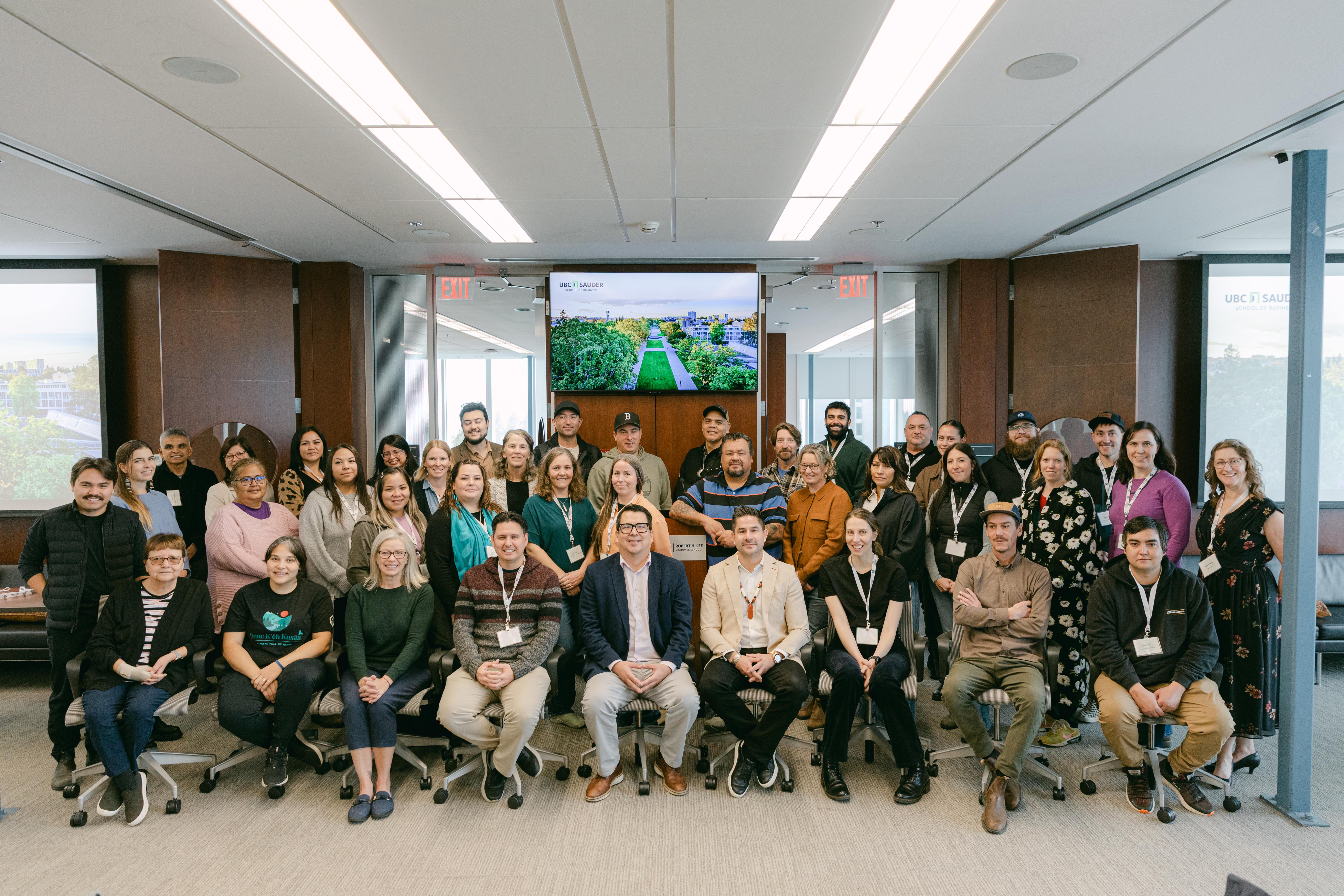
Photography credit: UBC Sauder School of Business
“Today marks the beginning of something truly transformative,” said Randene Neill, B.C. Minister of Water, Land and Resource Stewardship, at the recent launch of the Indigenous Stewardship Project Management Program.
This program aims to build on the existing knowledge and experience of First Nations, offering project management tools and training to advance Indigenous-led stewardship and conservation projects across BC. The program has been developed at UBC’s Sauder School of Business through the Spitz Centre for Indigenous Business Education. It is collaboratively funded by the BC Parks Foundation’s BC Conservation Fund alongside Environment and Climate Change Canada, the Sitka Foundation, the Wilburforce Foundation, and David Downie and Jennifer McMillan.
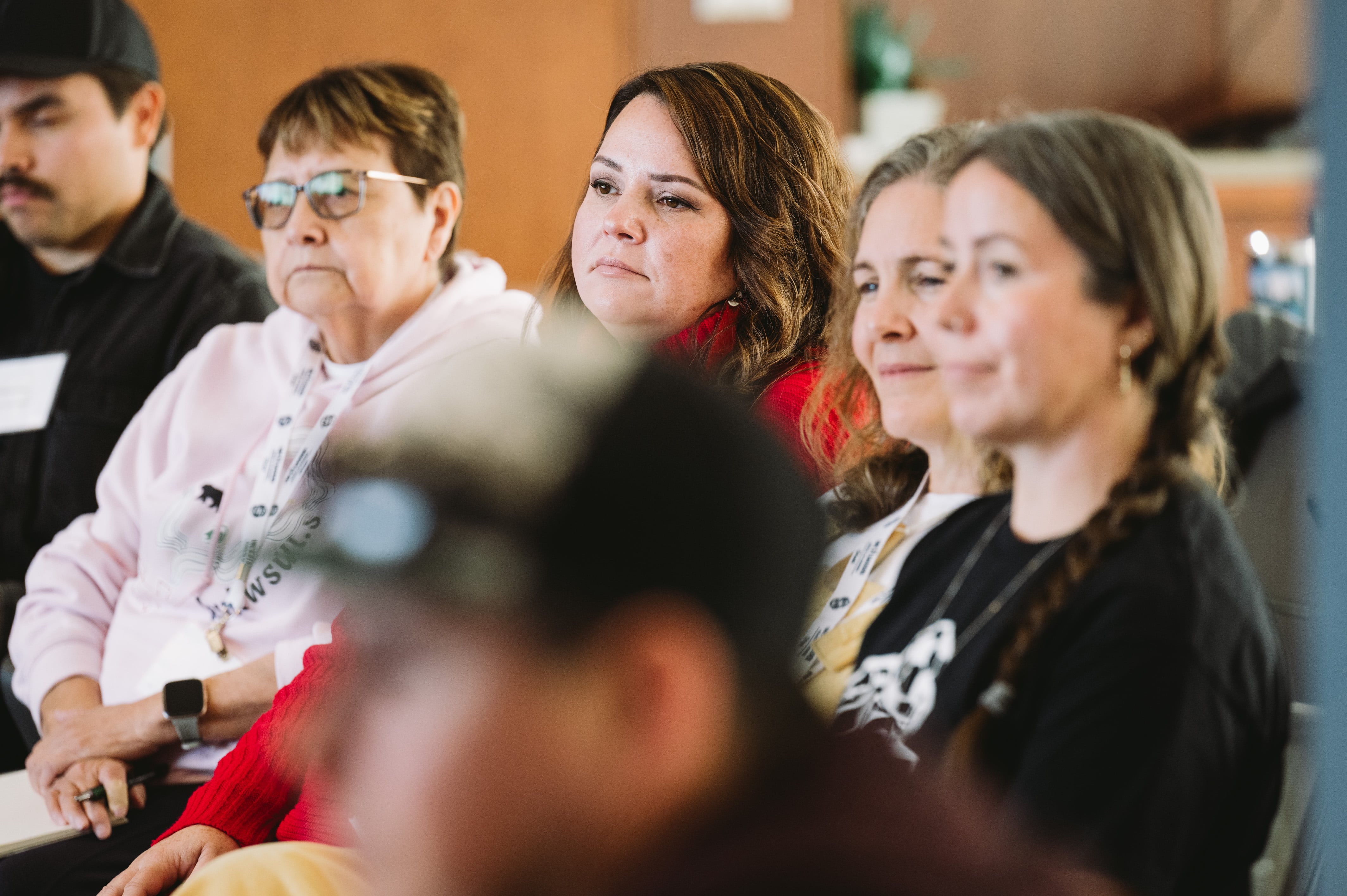
Eighteen First Nations communities are participating in the program’s pilot project. All of them are working on area-based conservation initiatives throughout the province, which are also funded by the BC Conservation Fund, the Sitka Foundation, or Environment and Climate Change Canada.
Minister Neill went on to say that “stewardship has always been a sacred responsibility for First Nations, and it’s inspiring to see this knowledge and leadership help shape the future of the province.”
“Together, we can protect our lands, waters, and biodiversity in a way that supports reconciliation for the next generations and beyond,” said Neill. “This program is not just about education — it’s about building a legacy of collaboration, respect, and shared progress for all British Columbians.”
It is clear that everyone is finding inspiration in this work.
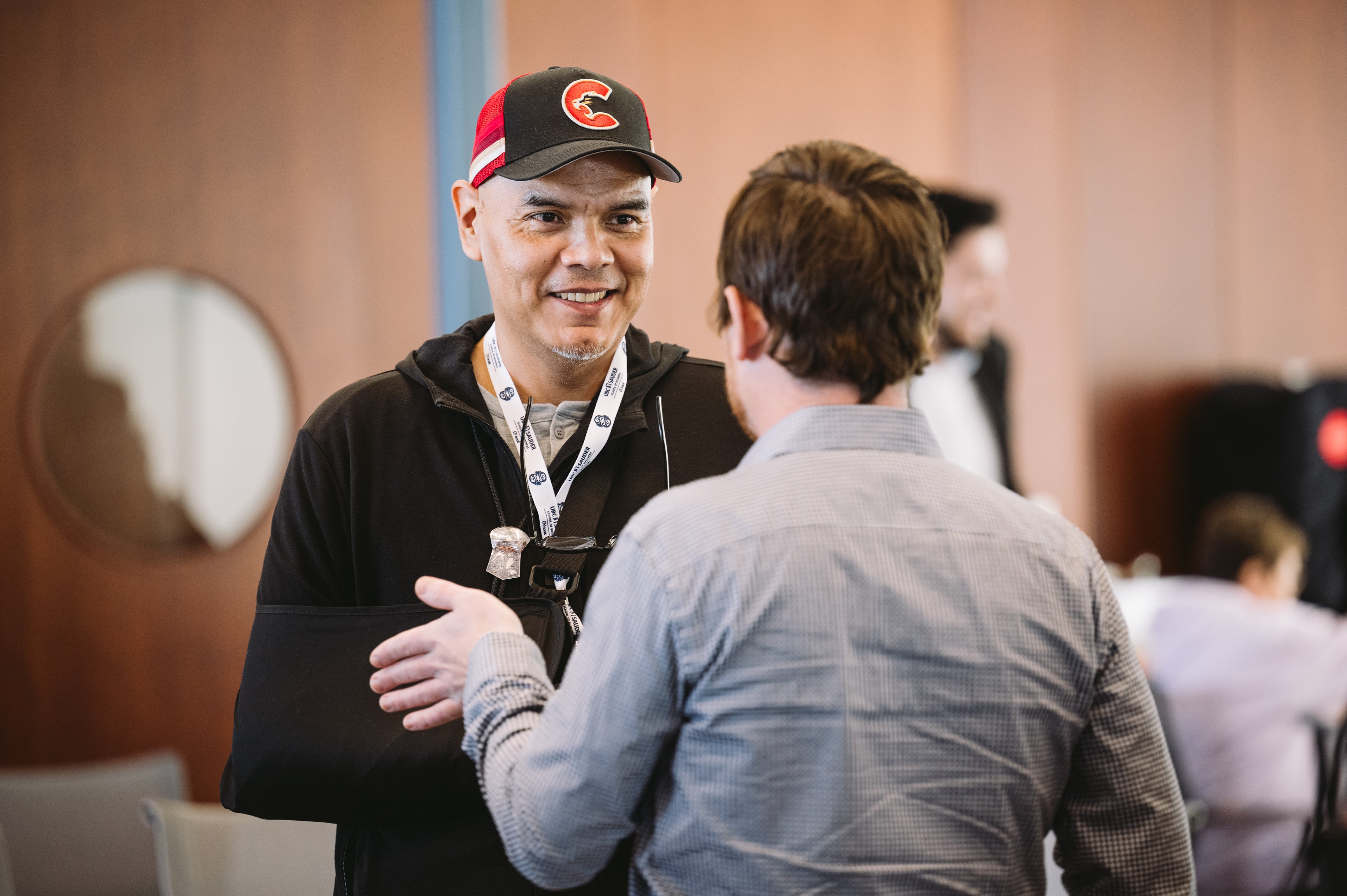
“One of the most valuable parts of being a part of this program so far has been connecting with other participants and hearing about the projects their Nations are leading,” said Layla George, a participant from the Tla'amin Nation. “Hearing how other Indigenous-led initiatives are achieving their goals gives me both inspiration and a sense of shared purpose.”
“We’re just beginning to work through the course materials, focusing on areas like project scope and resource management, which are already helping me think more strategically about how to support stewardship initiatives in my community,” Layla continued. “It’s exciting to be part of a growing network of people dedicated to protecting our lands and waters, and I’m grateful for the skills, knowledge, and relationships that will help me contribute meaningfully to my community’s stewardship efforts.”
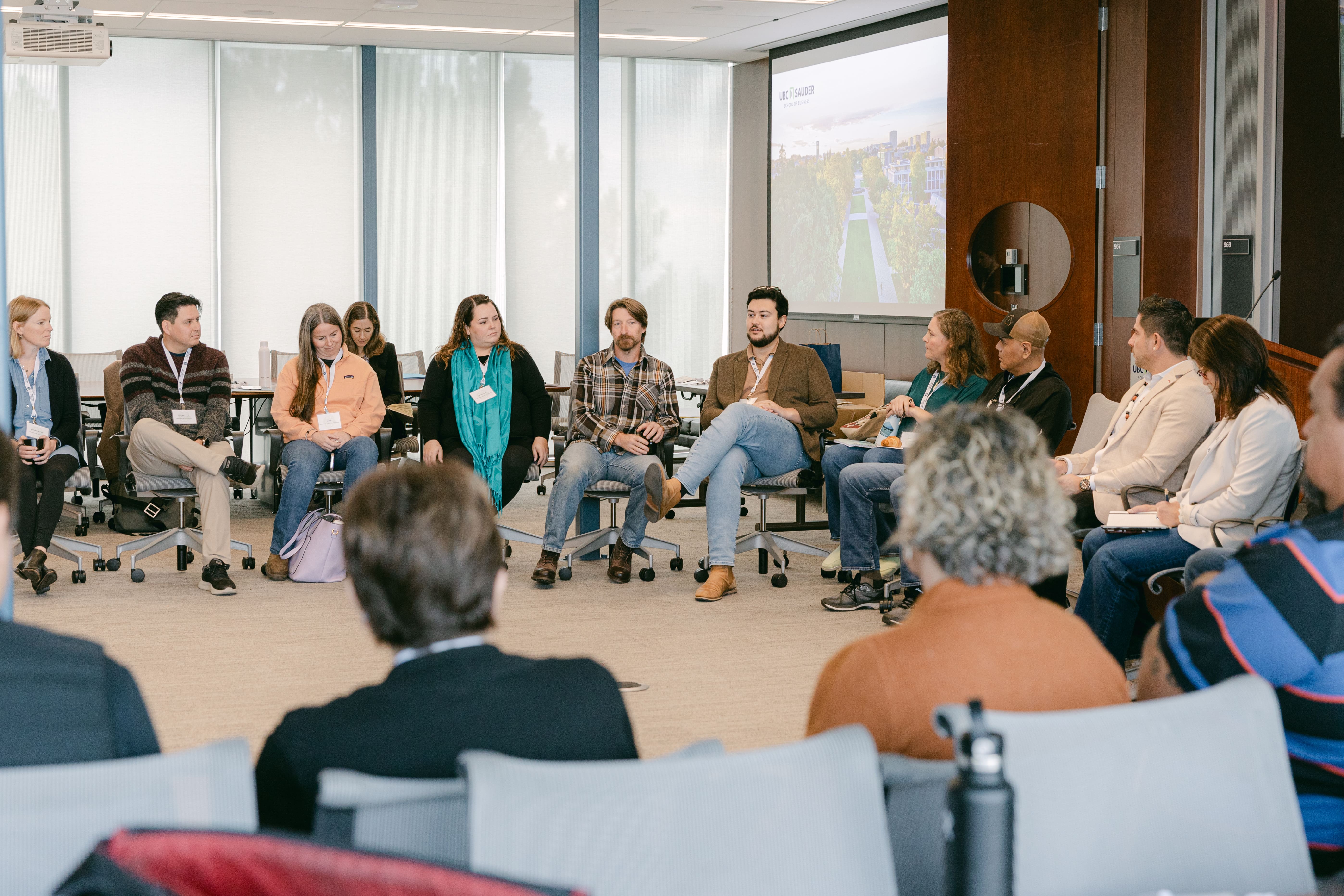
The program has been built with networking and project sharing in mind, Mahesh Nagarajan, Senior Associate Dean and Faculty Professor for UBC Sauder, explained. “[We’re] looking at the people in the community who are leading these pretty complicated, complex projects, and seeing how the skills of the business school can assist them.”
These skills include budgeting and financial stewardship, communications strategies, and quality management tools, project scope, and risk assessment and evaluation, among others.
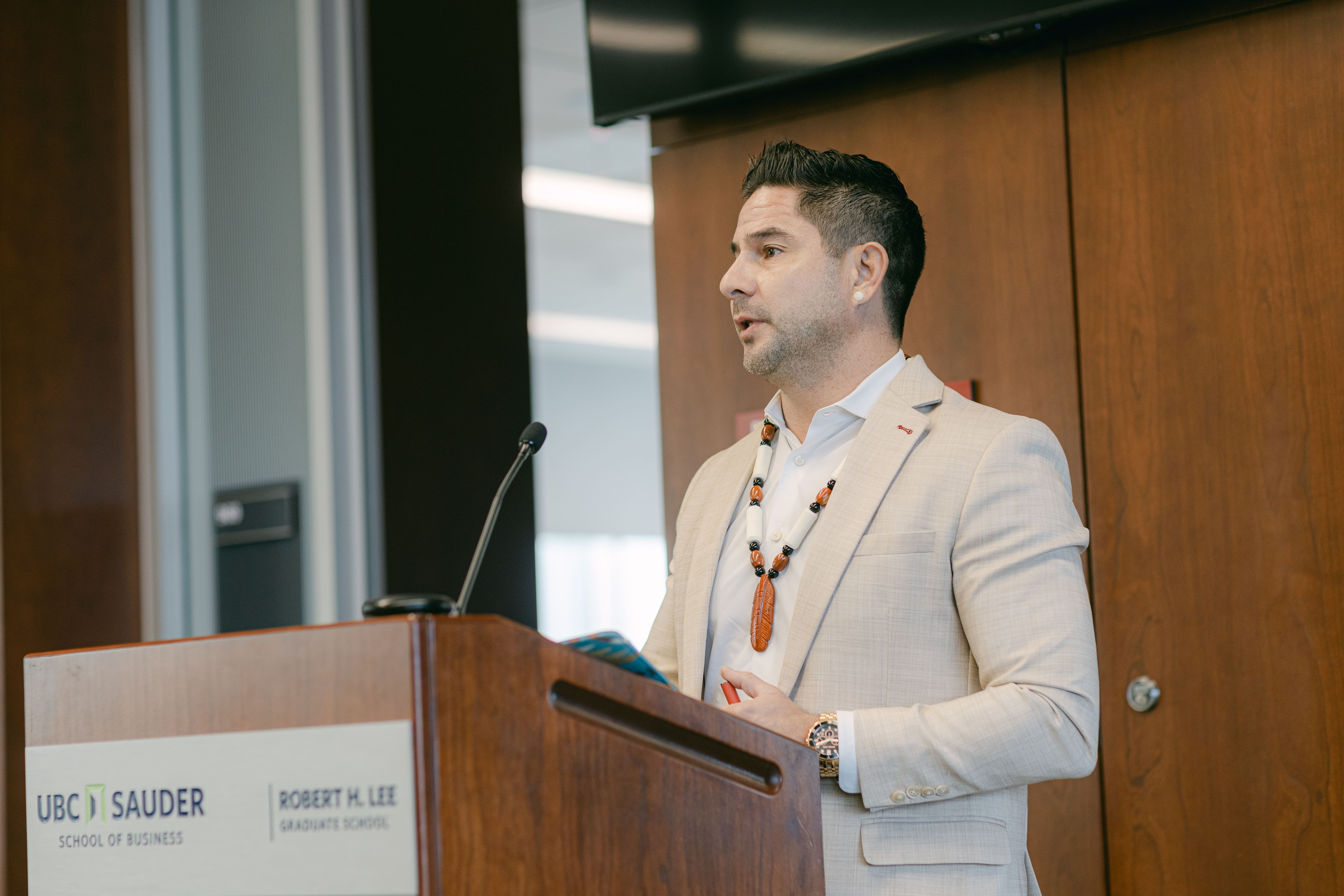
“The program will lead to better conservation outcomes and more efficient and effective use of grant funding — a win-win,” explained Kaaren Lewis, VP of Conservation for the BC Parks Foundation. “Many of the team members advancing these projects have not had the benefit of formal project and financial management training, so this program will support them in managing these grants and achieving their goals.”
The Indigenous Stewardship Project Management Program is unique as it brings together the world-class knowledge offered through UBC Sauder, First Nations who can apply that knowledge in real-time, and the funders who are supporting the overall conservation goals. The benefits are further compounded because the program is a space for shared learning and support. Sierra Hall, of the Kitasoo Xai’Xais First Nation, noted that the opportunity to connect with other Indigenous communities working on similar projects and identical challenges has been “amazing.”
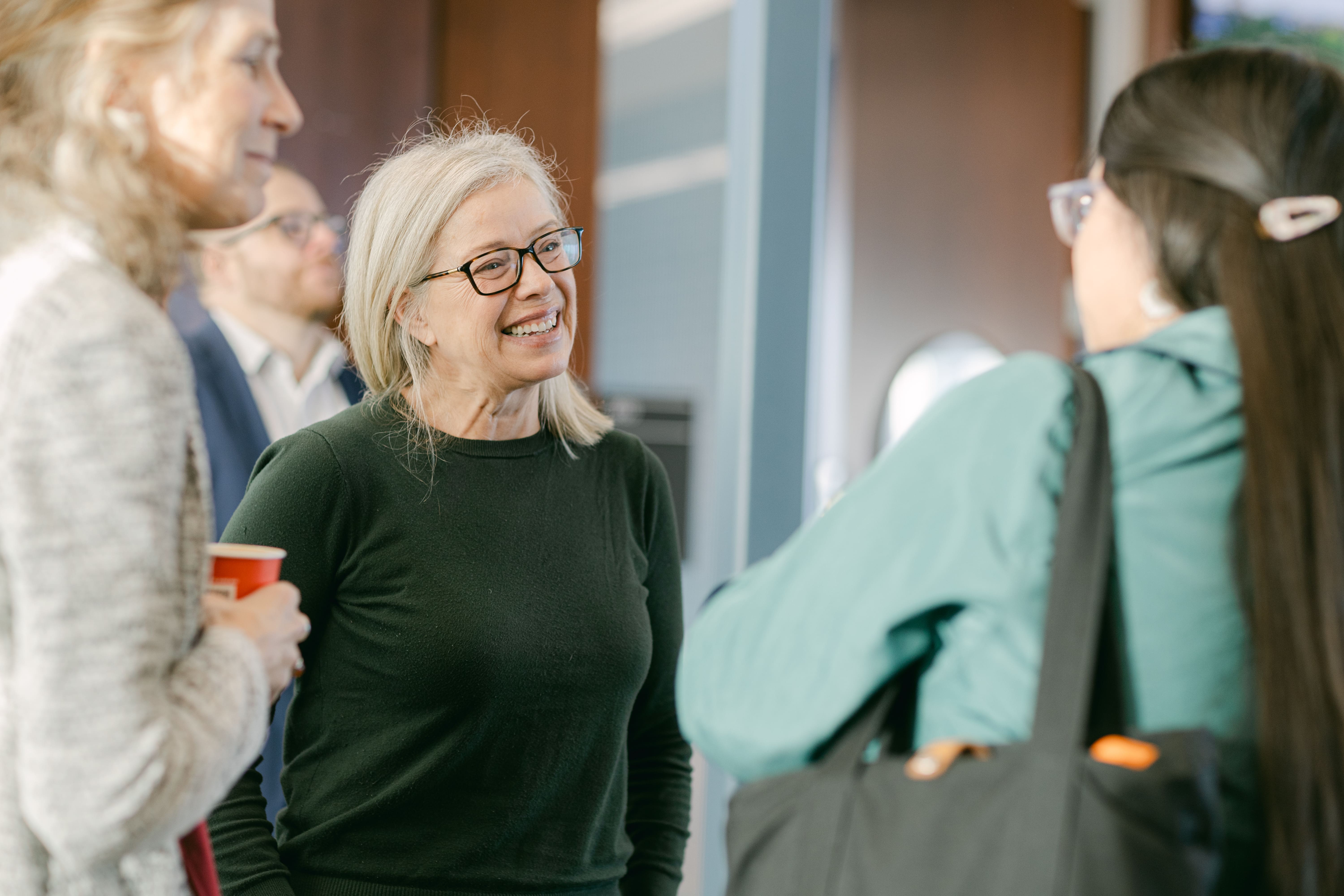
"There are very valuable resources being offered through this course that will strengthen each Nation individually and as a collective, as First Nations people of British Columbia,” added Hall. “I am honoured to be a part of the first round of this course and am looking forward to what comes next for this program."
The program began on Oct. 16, 2025 with a two-day, in-person workshop that included remarks from Minister Neill as well as Wade Grant, Parliamentary Secretary to the Minister of Environment and Climate Change Canada. Participants will engage in a 16-week combination of in-person and online project management training.