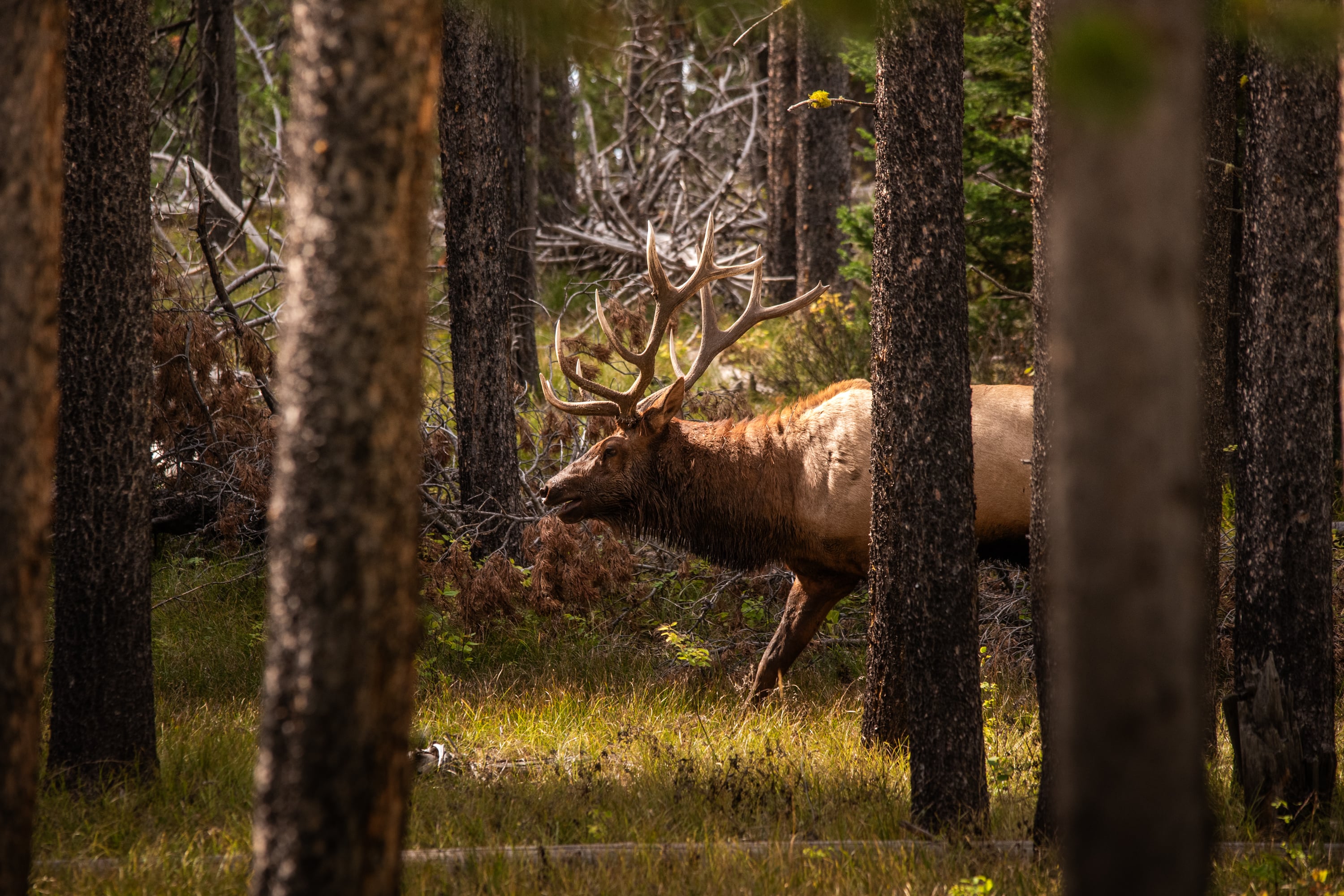
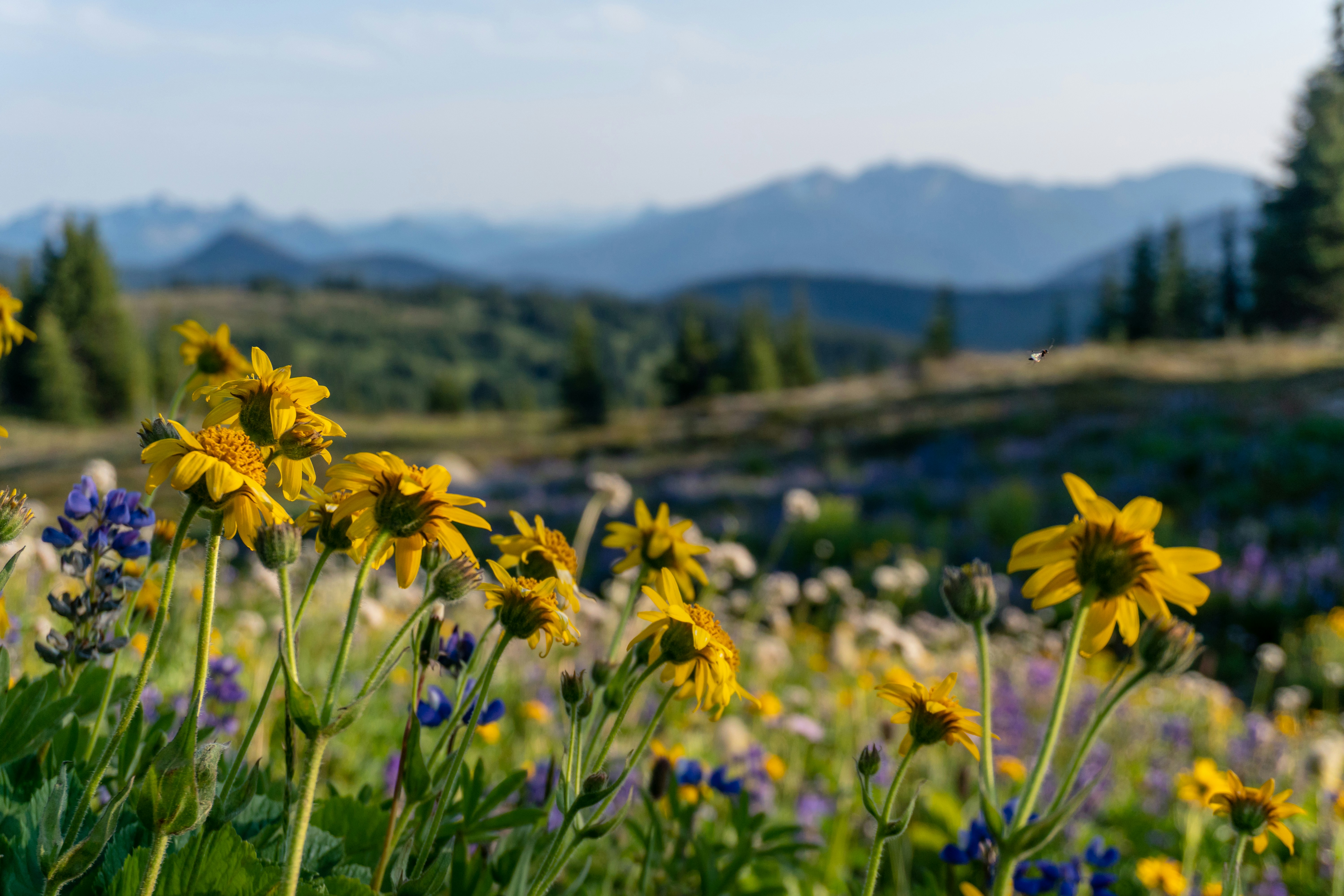
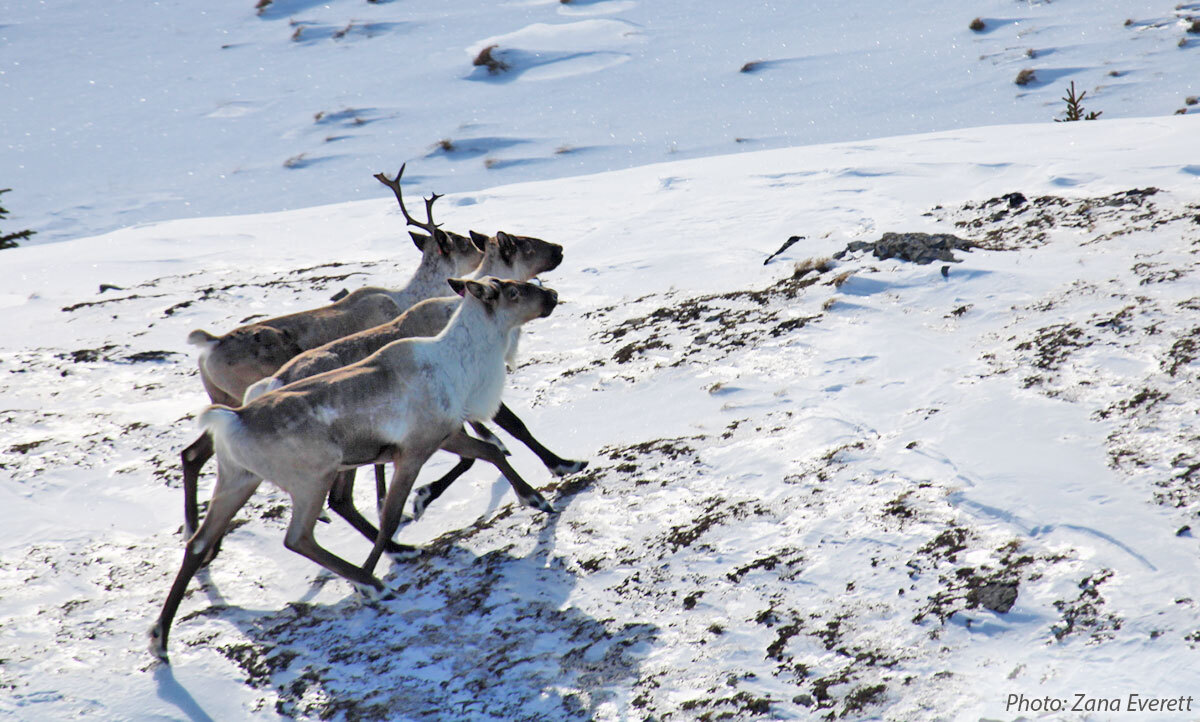
In the remote wilderness of BC, in the northern Rocky Mountains, sits the newly expanded conservation area known as Klinse-za, or Twin Sisters, Park. A collaborative project between the Saulteau First Nations, West Moberly First Nations, and Province of BC this project was created to restore a self-sustaining habitat for southern mountain caribou.
Klinse-za stood as an existing park with 30,000 hectares, but was expanded to protect nearly 200,000 hectares in 2024. The BC Conservation Fund invested in this project as one of many such initiatives that protect biodiversity, advance conservation across the province, and promote First Nations leadership and governance in stewardship.
Alongside their work on Caribou, the partners continue to build on the outcomes of this conservation work. Saulteau First Nation, for example, has also focused their efforts on incorporating ethnobotany within their work in Klinse-za.
“[It started with a] colleague and I, we kind of kicked this discussion off with a group of elders,” Naomi Owens-Beek says. Naomi is the Treaty Rights and Environmental Protection Manager for Saulteau First Nations, and studied ethnobotany in university.
Ethnobotany explores the connection between people and plants, and the cultural significance and traditional knowledge uses. Furthermore, ethnobotany helps to understand biocultural diversity in securing the link between the preservation of natural features and the fundamental role they play in the communities ability to conduct many of their cultural practices.
The conversation around ethnobotany took shape over a decade, and came to fruition in the form of a book, “Strength of the Earth for You,” which was published in 2024. The book features photos, illustrations, and community knowledge on local plants and their traditional uses.
“We really wanted to learn from our Elders to see what they would be willing to share,” Naomi explains. “When we sat down with them, they provided us a list of…I think, 20 plants or so.”
“The Elders wanted to focus on common plants that thrive in our local surroundings, such as edible berry plants that we’ve been harvesting for a millennia, plants like saskatoons and huckleberries.”
“We’re already practicing ethnobotany without even knowing it, right?” Naomi says.
For Saulteau First Nations, this effort is important for both the environment and for cultural revitalization. All plants featured are part of the Klinse-za area and will allow further knowledge growth within the community.
“Families around here grow up being taught…what berries we pick, what herbs we pick for teas…it's just kind of ingrained in us from the get go, which is amazing. For some of those families that don't have those teachings, we now have this book! Incredible!”
“There's things like, you know, peppermint muskeg tea, like, those are all things that are included and so safe…we've just been harvesting them forever, so we know they're good for us and safe for us.”
Naomi mentions that the book provides seasonal round diagrams, which is helpful to those who don’t know when to pick, as well as detailed plant descriptions. “It also provides the Cree, Latin and English term used for the plant, so again helpful to those who want to learn Cree,” she adds.
“I think [ethnobotany is] ingrained in our teachings and practices from small children.”
“Knowing your plants and their properties and what they can be used for [is so important].” Teena Demeulemeester, Treaty Rights and Environmental Protection Assistant Manager, also from Saulteau First Nations, adds. “How many people understand and know properties of plants to be able to go out and pick and help make a salve? Balm salve like that helps with pain or helps to heal.”
Naomi agrees, adding that, “I [also] think it's [about] getting that information to people who…are not taught. So, having this ethnobotany book is so critical to their learning. And I think that's amazing…[because] there's a lot of…traumas in the past. There's a lot of lost education out there.”
Copies of “Strength of the Earth for You” were given to community members and Saulteau First Nations staff, and were provided as a resource to local schools in the area. A valuable resource now, and for generations to come.