BC Parks Foundation’s Learning by Nature program, funded in part by the BC Conservation Fund, creates opportunities for youth across British Columbia to learn in nature about climate change, biodiversity, and conservation. There are 104 schools currently engaged in Learning by Nature across BC, with the program continuing to grow.
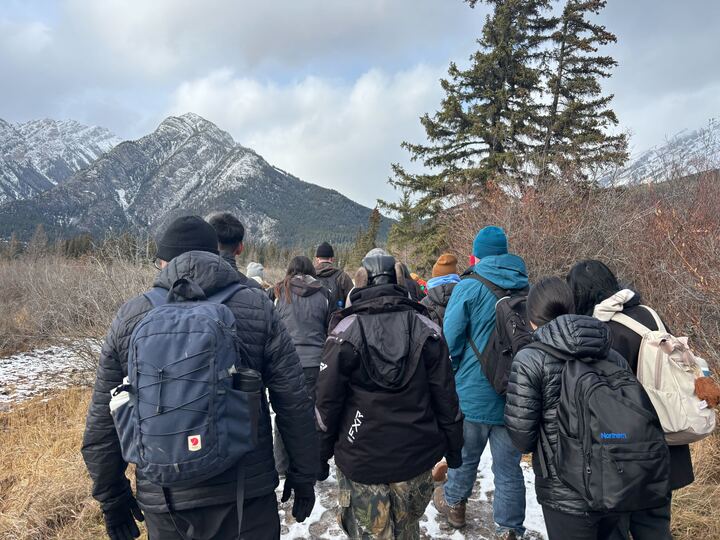
Recently, BC Parks Foundation staff attended Banff 140: National Youth & Educator Leadership Conference for Land-based Reconciliation --a national conference presented by The Howl Experience in Banff focused on education and creating experiences for youth aged 15-18.
Students from all over Canada explored history and culture through various experiences including Lake Minnewanka, Bow and Peyto Lake, and as they learned about the creation of the first national park, Banff National Park. The conference was co-led by Indigenous and non-Indigenous educators and draws upon knowledge from Elders and knowledge keepers, scientists, and community leaders.
Throughout the week there were two themes of concern, the impact of climate change and what more is needed to improve conservation efforts.
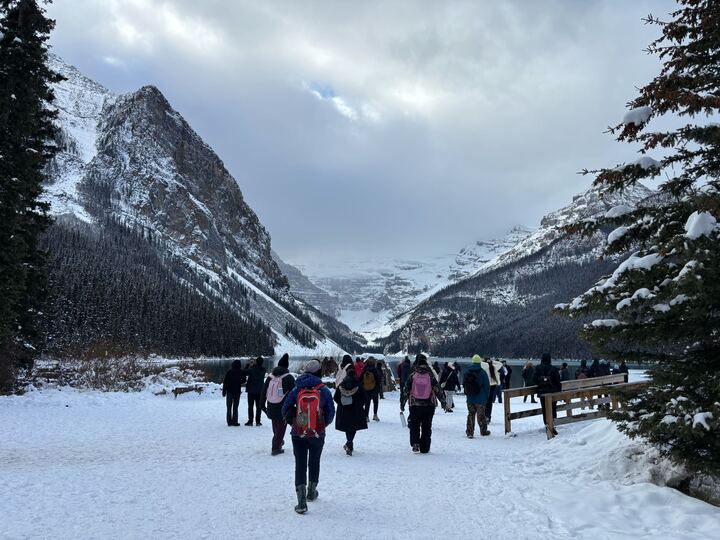
Sophie, a student from Calgary, Alberta said that the conference helped her in, “seeing the larger influence on our environment and knowledge.”
“Seeing other people’s perspectives from all across the country, I understand how biodiversity loss has impacted them and how they approach conservation,” Sophie continues. “It’s made my viewpoint more wide.”
“Being at the conference has given me more hope. Environmental anxiety is a real thing, she concludes. “And being in a room full of passionate youth, educators and elders, it gives you a more hopeful feeling for the future.”
Students left “feeling inspired” and armed with youth-led project proposals. Some, with plans to improve existing structures and projects, and some to create new opportunities – examples included leading cultural activities, advocating for curriculum reform, initiating local renaming processes, and a hope to expand land-based learning.
“Being in a different environment and learning different cultures and languages” was a highlight to Linda, from Pangnirtung Nunavut. “It made me remember how important everything still is. It’s still alive, our traditions, our cultures and our languages.”
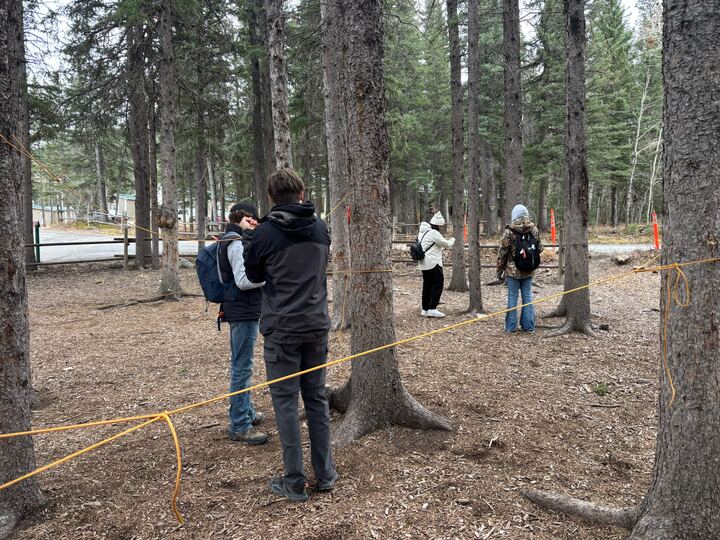
Kestrel, age 17 from Valemont, BC says that she thinks that people should be working towards transparency in the future of conservation. “[It’s an] important first step…without transparency, we can’t like have restitution or make amends or… fix it without first…saying ‘this did happen.’”
“There should be a balance…[instead of saying], ‘yeah everyone can hunt here, cut trees, everything…that’s one extreme. But then the other extreme is ‘no one can do anything.’ I feel like there should be a balance, like…moderation.”
Gracie, from Piikani Nation has created a sweetgrass growing program at her school and hopes “ ...that the next generation, when I leave, that they continue the sweetgrass program and continue that knowledge…keep speaking that knowledge [for] generations...I hope it just goes on and on.”
These students, with diverse backgrounds from across Canada, are another example of how unified communities across Canada are on the importance of conservation, even across generations.
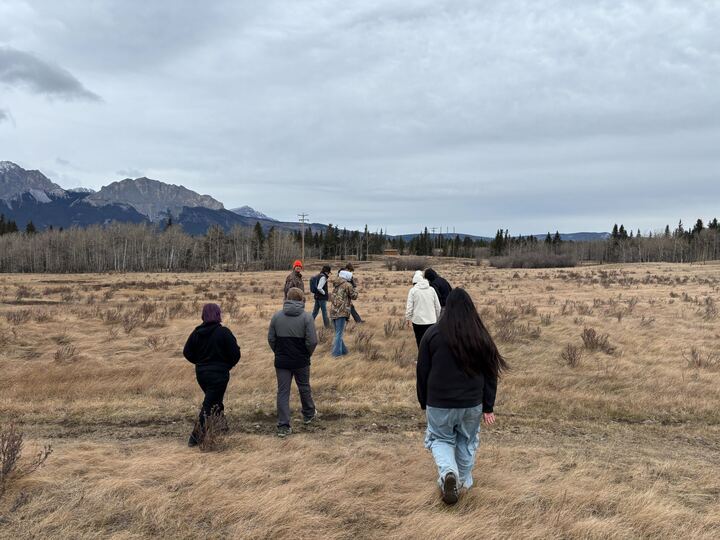
“It was exciting to see the opportunity for Indigenous youth to be centred, celebrated and respected for who they are,” says Amanda Lemaigre, Indigenous Engagement Coordinator, who attended on behalf of BCPF.
“The genuine connections and understanding built across cultures was amazing to witness.”
“The impact was reflected when youth shared their action plans for when they went home,” Amanda says. “Some youth shared their intention to build relationship with their local First Nation, whom they’d connected with at the conference, and invite them to their school for a feast, others planned to form a youth Chief and Council to have their voices heard in their community. Youth are not only keen to be involved in discussions of stewardship and climate resilience but to be leaders in this space, to give voice to their vision for the planet they will inherit.”
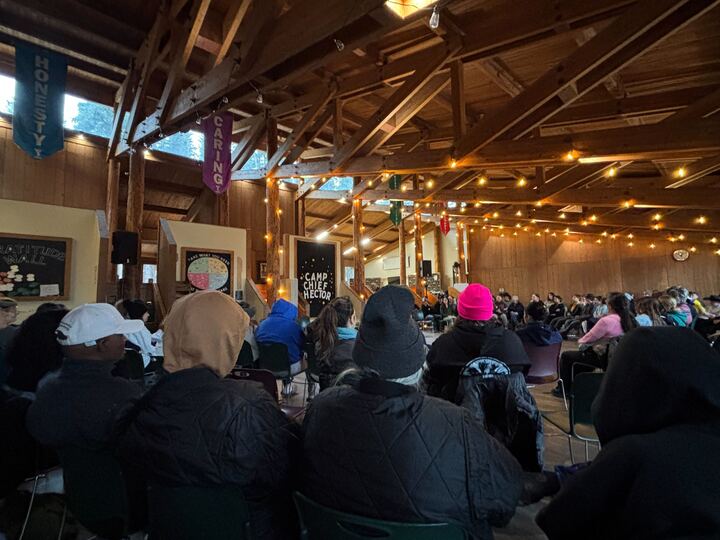
With more and more pressures on the Canada’s nature, young, hopeful people will be critical in engaging each other and their communities about solutions to biodiversity loss and climate change. Being outside, together, learning by nature. Is a great step.